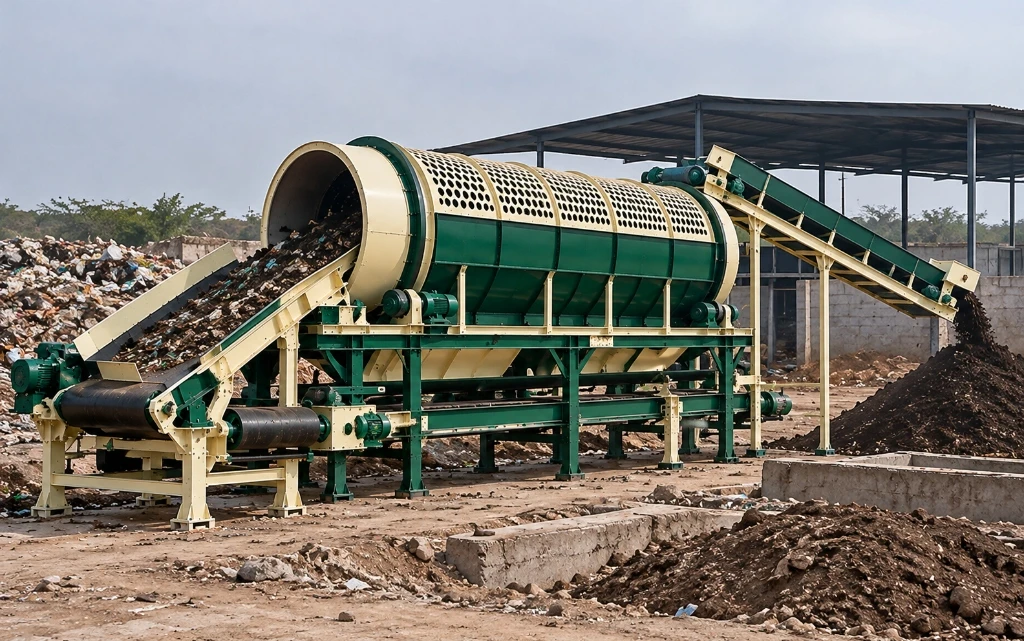
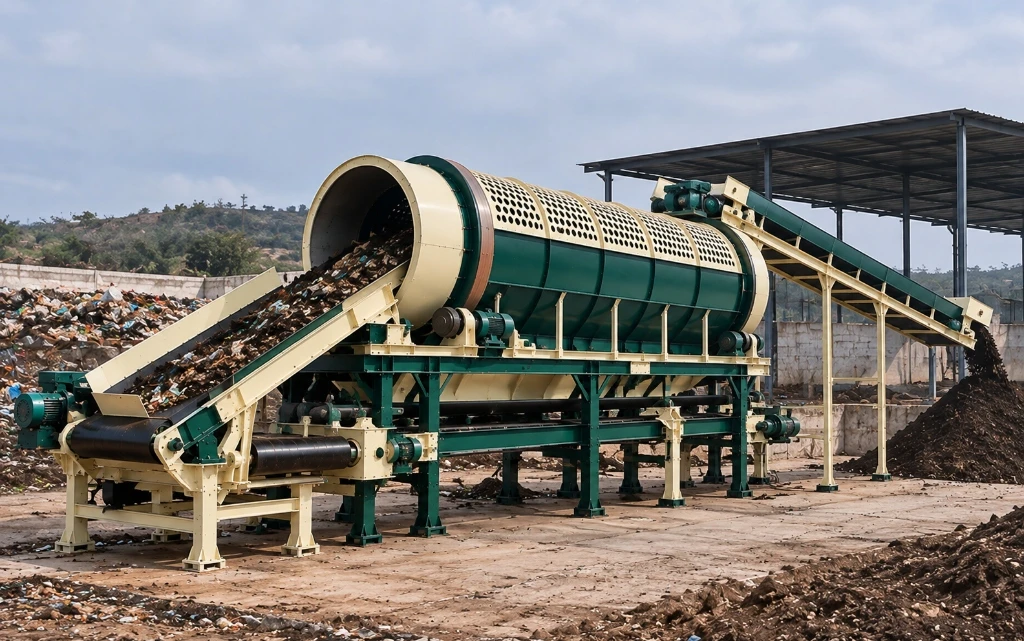
Dry Wet System Solid Waste Segregation Machine (10 TPD / 15 TPH)
₹1,200,000.00
High-performance Dry Wet System Solid Waste Segregation Machine manufactured by N.S. Engineering Works. Specially engineered for municipal solid waste (MSW) classification, composting facilities, material recovery plants (MRF), and industrial scrap yards. Features a continuous 15 TPH rotary trommel screen with 10 TPD treatment rating, 20 kW helical drive assembly, anti-blinding brush system, and dual-fraction segregation for wet compostable organics and dry RDF recyclables.
Description
The Dry Wet System Solid Waste Segregation Machine by N.S. Engineering Works is an industrial-grade rotary trommel classification plant engineered to automate the sorting of mixed municipal solid waste (MSW), commercial packaging waste, and market refuse. With a robust treatment capacity of 10 TPD (Tons Per Day) and a processing throughput of up to 15 TPH (Tons Per Hour), this dual-stage automatic segregation system separates high-moisture organic wet waste from dry high-calorific recyclables and RDF (Refuse Derived Fuel) fractions.
Manufactured at our heavy engineering facility in Mandi Gobindgarh, Punjab, the plant integrates a heavy-duty rotary trommel screen drum, continuous cleated infeed conveyor, anti-blinding rotary brushes, heavy trunnion roller bearings, and an energy-efficient 20 kW helical geared motor drive. As an all-in-one dry waste machine and segregation plant, whether installed as a standalone decentralized municipal waste treatment unit or paired with a dry waste shredder, dry waste crusher, and magnetic overband separators, this system delivers maximum sorting efficiency, minimal landfill burden, and zero downtime.
Direct Factory Quotation & Plant Sizing Consultation
Looking for a turnkey municipal solid waste segregation plant, wet waste shredder, or dry waste crusher unit tailored to your daily tonnage? Contact our technical team directly for customized engineering drawings, plant footprint layouts, and commercial quotations.
Technical Specifications: 10 TPD / 15 TPH MSW Segregation Plant
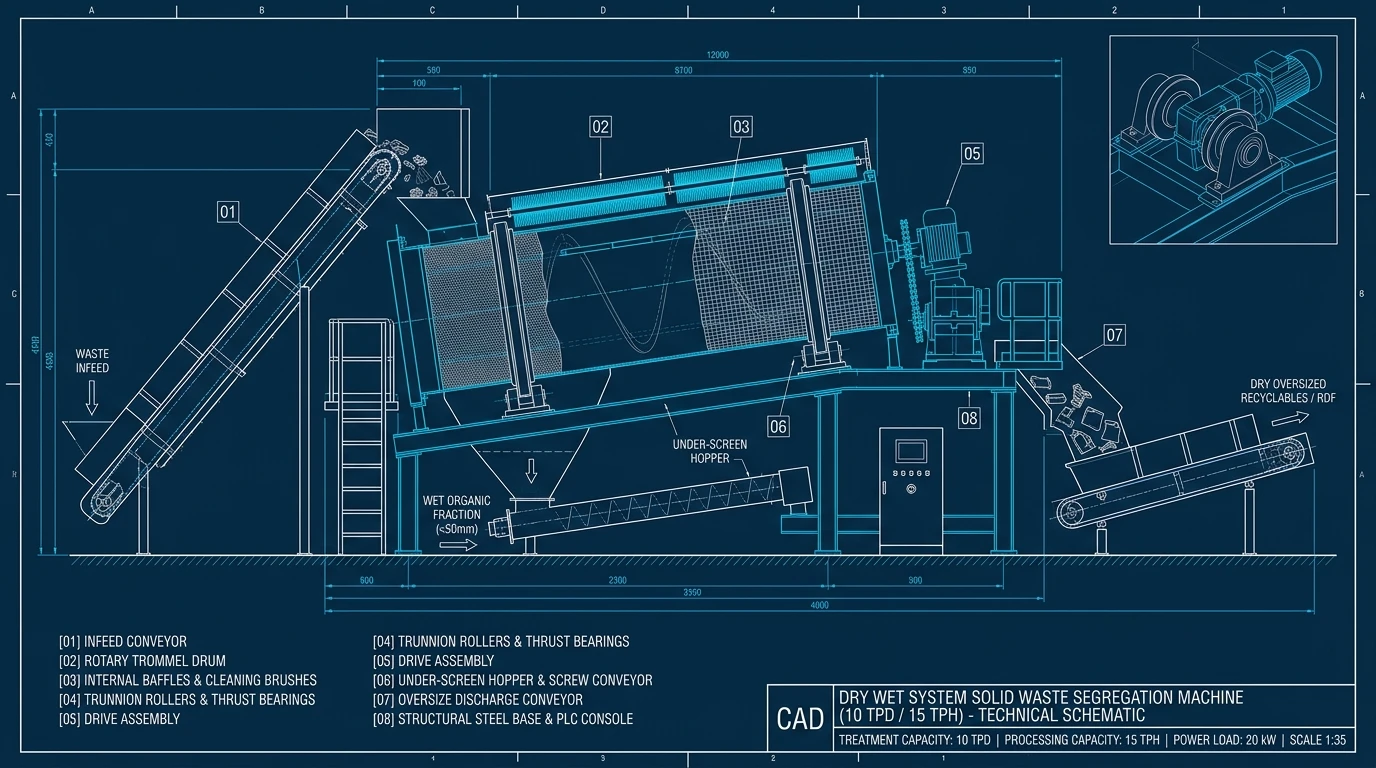
Engineering CAD Blueprint: Mechanical Parts & Working Mechanism
Below is the technical CAD schematic blueprint illustrating the internal mechanical parts, drive components, and dual-fraction separation mechanism of the 10 TPD / 15 TPH Dry Wet Solid Waste Segregation Trommel Plant. Each subsystem is engineered for heavy duty cycle operations and continuous 24/7 industrial performance.
Part 01: Infeed Cleated Belt Conveyor
Heavy-duty vulcanized rubber conveyor fitted with elevated cleats to transport mixed raw waste bags from ground reception hoppers directly into the elevated trommel inlet without slipping or rollbacks.
Part 02: Perforated Rotary Trommel Drum
The primary classification cylinder fabricated with dual-stage modular sieve screens. The progressive perforated holes screen fine wet organic fractions first, followed by medium organic compostables.
Part 03: Internal Lifters & Rotary Brushes
Internal spiral flight lifters continuously lift, tumble, and open clumped waste bags inside the drum. Overhead counter-rotating bristle roller brushes constantly wipe the screen exterior to prevent wet mesh blinding.
Part 04: Trunnion Rollers & Thrust Bearings
Hardened alloy steel trunnion guide wheels support the massive rotating drum weight, absorbing axial and radial thrust loads smoothly with grease-lubricated spherical roller bearing blocks.
Part 05: 20 kW Electric Motor & Helical Gearbox
High-torque electric motor paired with an oil-bath helical reduction gearbox. Delivers balanced low-RPM rotational speed with immense driving torque while keeping energy consumption strictly controlled at 20 kW.
Part 06: Under-Screen Wet Organics Hopper
An angled stainless/mild steel hopper located directly underneath the trommel screen. Collects falling kitchen waste, food scraps, and vegetable biomass and transfers them via screw or belt conveyor to composting bays.
Part 07: Oversized Dry Recyclables Conveyor
Discharge system situated at the drum outlet for non-screenable oversized dry components: plastic containers, LDPE film, cardboard boxes, textiles, and RDF combustibles destined for baling or shredding.
Part 08: Chassis Frame & Central PLC Panel
Robust ISMB structural steel main chassis with vibration isolation dampeners. Integrated dust-proof IP65 electrical enclosure with PLC interface, digital speed readouts, and automated reverse cycles.
Comprehensive Guide: Dry Waste vs. Wet Waste Disposal Methods
Solid waste management in India mandates the strict separation of waste at source or via secondary sorting facilities into wet waste (biodegradable) and dry waste (recyclable/combustible). Understanding waste streams is critical for municipal corporations, waste processing plant operators, and recycling facilities when selecting equipment such as a dry waste shredder, dry waste crusher, or wet waste shredder machine.
What is a Dry Waste and What are Dry Waste Types and Examples?
Dry waste refers to non-biodegradable waste materials that do not contain organic moisture or decompose naturally over short periods. When collected and segregated dry, these materials retain high recycling and caloric value. Key dry waste examples and categories include:
- Plastic Packaging & Polymers: PET bottles, milk pouches, HDPE containers, LDPE film wrap, PVC pipes, polypropylene woven sacks, and multi-layer laminates (MLP).
- Paper & Cardboard: Office papers, newsprint, corrugated cardboard boxes, packaging cartons, and shredded paper.
- Metals & Scrap: Beverage cans, tin containers, aluminum foils, bottle caps, wires, and scrap ferrous and non-ferrous hardware.
- Glass Containers: Glass bottles, broken jars, and glass packaging fragments.
- Textiles & Fabrics: Discarded clothing, synthetic rags, cotton fabric trimmings, footwear, and upholstery.
- Combustible Inerts / RDF: Non-recyclable dry plastics, contaminated packaging, and composites processed into Refuse Derived Fuel pellets for cement kilns and waste-to-energy boilers.
How to Dispose Dry Waste: Modern Dry Waste Disposal Methods & Machinery
Effective dry waste disposal methods rely on mechanical volume reduction, density classification, and material valorization rather than dumping in municipal landfills:
- Mechanical Screening & Trommel Separation: The initial stage separates bulky dry fractions from fine organics and moist soil, ensuring recyclable dry waste remains clean and manageable.
- Dry Waste Shredder Processing: Using industrial dual-shaft shredders or four-shaft shredders to cut bulky plastic containers, tires, packaging, and textiles into uniform 20 mm to 50 mm flakes. This achieves up to 90% volume reduction for economical transport.
- Dry Waste Crusher & Granulator: Crushing rigid plastics, glass bottles, and dry minerals into granular pellets ready for plastic extruders or aggregate reuse.
- Magnetic & Air Density Classification: Extracting valuable steel and iron scrap via overband magnetic separators and separating lightweight plastic film from heavy flakes using zig-zag air classifiers.
- RDF Baling & Fuel Pelleting: Compacting segregated combustible dry waste into high-density bales for thermal power plants and cement factories.
Wet Waste Characteristics & Wet Waste Shredder Machine Price Factors
Wet waste consists of biodegradable kitchen waste, fruit and vegetable peels, cooked food remnants, poultry/fish market waste, garden trimmings, and leaves. When segregated through the trommel screen, wet waste is directed to organic composting pits, automated organic waste composters (OWC), or bio-methanation biogas digestors.
When assessing a wet waste shredder machine price or full trommel segregation line investment, multiple commercial and technical factors come into play:
- Capacity Rating: Compact decentralized organic shredders (200 kg/hr to 1 TPD) versus centralized municipal segregation plants (10 TPD to 50 TPD).
- Material of Construction: Standard Mild Steel (MS IS 2062) versus Stainless Steel (SS 304 / SS 316) contact parts for acidic organic food waste handling.
- Motor & Gearbox Specifications: Standard electric induction motors versus flame-proof / IP65 motors with heavy planetary or helical gear reductions.
- Downstream Integration: Inclusion of magnetic cross-belts, cleated infeed conveyors, screw discharge augers, and odor control bio-scrubbers.
Key Operational Benefits of N.S. Engineering Works Segregation Plants
- Non-Clogging Continuous Operation: External rotary brush rollers prevent sticky kitchen waste and fibrous organic material from blinding screen apertures.
- High Volume Reduction: Achieves immediate separation of up to 60% wet biodegradable fraction from 40% dry recyclables, reducing municipal transport costs significantly.
- Heavy Industrial Structural Build: Fabricated using prime Indian steel with reinforced trunnion rollers that run without vibration, excessive heat, or wear.
- Decentralized & Centralized Plant Sizing: Modular layout allows easy scalability from 10 TPD up to 100+ TPD by adding parallel drum modules.
- Full Safety Compliance: Equipped with emergency pull-cord switches along conveyors, interlocking motor guards, and phase-reversal protection in the PLC console.
Explore Related Solid Waste & Recycling Machinery
Discover other heavy-duty waste management and material separation systems manufactured at N.S. Engineering Works:
Frequently Asked Questions (FAQs)
1. How does the Dry Wet System Solid Waste Segregation Machine separate wet and dry waste?
The machine utilizes an inclined rotary trommel screen drum fitted with internal flight baffles. As mixed municipal waste enters, the tumbling motion opens garbage bags and breaks clumped material. Wet biodegradable organic waste (such as vegetable scraps, food waste, and moist compostable fines below 50 mm to 80 mm) drops through the perforations into an under-screen collection hopper. Dry, bulky recyclables (plastics, cardboard, PET containers, textiles, and cans) travel the full length of the drum and discharge at the end for RDF processing and secondary sorting.
2. What is the difference between 10 TPD treatment capacity and 15 TPH processing capacity?
The 15 TPH (Tons Per Hour) rating refers to the peak instantaneous volumetric throughput the trommel screen and conveyor feed line can handle without clogging. The 10 TPD (Tons Per Day) rating represents the operational treatment benchmark recommended for municipal wards and decentralized processing facilities, allowing the plant to comfortably clear a full day’s mixed waste within a standard single 8-hour shift with ample maintenance buffer.
3. Can this machine be combined with a dry waste shredder, dry waste crusher, and magnetic separator?
Yes. N.S. Engineering Works provides modular, fully synchronized solid waste processing lines. The oversized dry fraction discharged from the trommel can be conveyed under an overband magnetic cross-belt separator to remove tin and iron cans, and subsequently directed into a dual-shaft dry waste shredder or dry waste crusher to reduce volume for RDF production or plastic granulation.
4. What factors determine the wet waste shredder machine price and segregation plant cost?
The total cost depends on daily waste intake capacity (TPD/TPH), drum diameter and length, automation level (manual starter vs. PLC VFD console), material grade (mild steel vs. stainless steel contact liners), and downstream inclusions such as cleated infeed conveyors, magnetic separators, and air classifiers. Contact our engineering desk at +91 82728 61892 for custom layout quotations.
5. How does the system prevent screen clogging when processing moist municipal waste?
Our trommel screens feature an active anti-blinding mechanism comprising top-mounted rotary brushes that continuously rotate against the exterior screen surface. As the drum turns, the bristle rollers dislodge sticky organic matter, leaves, and wet plastic wrappers from the apertures, maintaining 100% open screening area without manual stoppage.
{
“@context”: “https://schema.org”,
“@type”: “FAQPage”,
“mainEntity”: [
{
“@type”: “Question”,
“name”: “How does the Dry Wet System Solid Waste Segregation Machine separate wet and dry waste?”,
“acceptedAnswer”: {
“@type”: “Answer”,
“text”: “The machine utilizes an inclined rotary trommel screen drum fitted with internal flight baffles. As mixed municipal waste enters, the tumbling motion opens garbage bags and breaks clumped material. Wet biodegradable organic waste below 50mm to 80mm drops through the perforations into an under-screen collection hopper, while dry, bulky recyclables travel the full length and discharge at the end for RDF processing.”
}
},
{
“@type”: “Question”,
“name”: “What is the difference between 10 TPD treatment capacity and 15 TPH processing capacity?”,
“acceptedAnswer”: {
“@type”: “Answer”,
“text”: “The 15 TPH rating refers to the peak instantaneous volumetric throughput the trommel screen and conveyor feed line can handle without clogging. The 10 TPD rating represents the operational treatment benchmark recommended for municipal wards and decentralized processing facilities, allowing the plant to comfortably clear a full day mixed waste within a standard 8-hour shift.”
}
},
{
“@type”: “Question”,
“name”: “Can this machine be combined with a dry waste shredder, dry waste crusher, and magnetic separator?”,
“acceptedAnswer”: {
“@type”: “Answer”,
“text”: “Yes. N.S. Engineering Works provides modular, fully synchronized solid waste processing lines. The oversized dry fraction discharged from the trommel can be conveyed under an overband magnetic cross-belt separator to remove tin and iron cans, and subsequently directed into a dual-shaft dry waste shredder or dry waste crusher to reduce volume for RDF production or plastic granulation.”
}
},
{
“@type”: “Question”,
“name”: “What factors determine the wet waste shredder machine price and segregation plant cost?”,
“acceptedAnswer”: {
“@type”: “Answer”,
“text”: “The total cost depends on daily waste intake capacity (TPD/TPH), drum diameter and length, automation level (manual starter vs. PLC VFD console), material grade (mild steel vs. stainless steel contact liners), and downstream inclusions such as cleated infeed conveyors, magnetic separators, and air classifiers.”
}
},
{
“@type”: “Question”,
“name”: “How does the system prevent screen clogging when processing moist municipal waste?”,
“acceptedAnswer”: {
“@type”: “Answer”,
“text”: “Our trommel screens feature an active anti-blinding mechanism comprising top-mounted rotary brushes that continuously rotate against the exterior screen surface. As the drum turns, the bristle rollers dislodge sticky organic matter, leaves, and wet plastic wrappers from the apertures, maintaining 100% open screening area without manual stoppage.”
}
}
]
}
{
“@context”: “https://schema.org”,
“@type”: “FAQPage”,
“mainEntity”: [
{
“@type”: “Question”,
“name”: “How does the Dry Wet System Solid Waste Segregation Machine separate wet and dry waste?”,
“acceptedAnswer”: {
“@type”: “Answer”,
“text”: “The machine utilizes an inclined rotary trommel screen drum fitted with internal flight baffles. As mixed municipal waste enters, the tumbling motion opens garbage bags and breaks clumped material. Wet biodegradable organic waste below 50mm to 80mm drops through the perforations into an under-screen collection hopper, while dry, bulky recyclables travel the full length and discharge at the end for RDF processing.”
}
},
{
“@type”: “Question”,
“name”: “What is the difference between 10 TPD treatment capacity and 15 TPH processing capacity?”,
“acceptedAnswer”: {
“@type”: “Answer”,
“text”: “The 15 TPH rating refers to the peak instantaneous volumetric throughput the trommel screen and conveyor feed line can handle without clogging. The 10 TPD rating represents the operational treatment benchmark recommended for municipal wards and decentralized processing facilities, allowing the plant to comfortably clear a full day mixed waste within a standard 8-hour shift.”
}
},
{
“@type”: “Question”,
“name”: “Can this machine be combined with a dry waste shredder, dry waste crusher, and magnetic separator?”,
“acceptedAnswer”: {
“@type”: “Answer”,
“text”: “Yes. N.S. Engineering Works provides modular, fully synchronized solid waste processing lines. The oversized dry fraction discharged from the trommel can be conveyed under an overband magnetic cross-belt separator to remove tin and iron cans, and subsequently directed into a dual-shaft dry waste shredder or dry waste crusher to reduce volume for RDF production or plastic granulation.”
}
},
{
“@type”: “Question”,
“name”: “What factors determine the wet waste shredder machine price and segregation plant cost?”,
“acceptedAnswer”: {
“@type”: “Answer”,
“text”: “The total cost depends on daily waste intake capacity (TPD/TPH), drum diameter and length, automation level (manual starter vs. PLC VFD console), material grade (mild steel vs. stainless steel contact liners), and downstream inclusions such as cleated infeed conveyors, magnetic separators, and air classifiers.”
}
},
{
“@type”: “Question”,
“name”: “How does the system prevent screen clogging when processing moist municipal waste?”,
“acceptedAnswer”: {
“@type”: “Answer”,
“text”: “Our trommel screens feature an active anti-blinding mechanism comprising top-mounted rotary brushes that continuously rotate against the exterior screen surface. As the drum turns, the bristle rollers dislodge sticky organic matter, leaves, and wet plastic wrappers from the apertures, maintaining 100% open screening area without manual stoppage.”
}
}
]
}
Additional information
| System Type | Dry Wet System, Dual Stage Rotary Trommel Screen |
|---|---|
| Processing Capacity | 15 TPH (Tons Per Hour) |
| Treatment Capacity | 10 TPD (Tons Per Day) |
| Input Waste | Municipal Solid Waste (MSW), Market Organic Waste, Commercial Packaging Waste |
| Stages | 2 Stage |
| Included Units | Trommel Screen, Cleated Infeed Conveyor, Lifter Baffles, Rotary Brushes, Discharge Chutes |
| Automation Grade | Automatic |
| Power Load | 20 kW (415V, 50 Hz, 3-Phase) |
| Country of Origin | Made in India |
You may also like…
-
Iron Slag Crushing Machine & Metal Recovery Plant (100–200 TPH)
₹3,500,000.00 Add to cart -
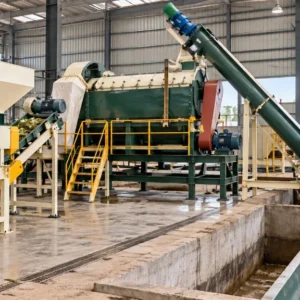
Solid Waste Segregation Systems (Municipal Organic Waste Shredder Plant 50 TPD)
₹1,000,000.00 Add to cart -
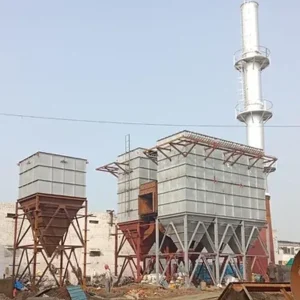
Industrial Air Pollution Control Plant (100,000 m³/hr APCS)
₹4,500,000.00 Add to cart -
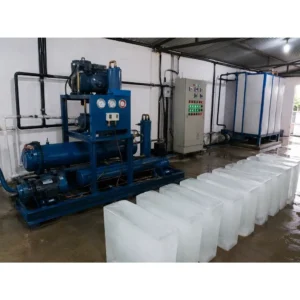
3 Ton Block Ice Plant (Industrial Turnkey Ice Plant)
₹850,000.00 Add to cart
Reviews
There are no reviews yet.